
IN THE STUDIO WITH MARK FIREEYE
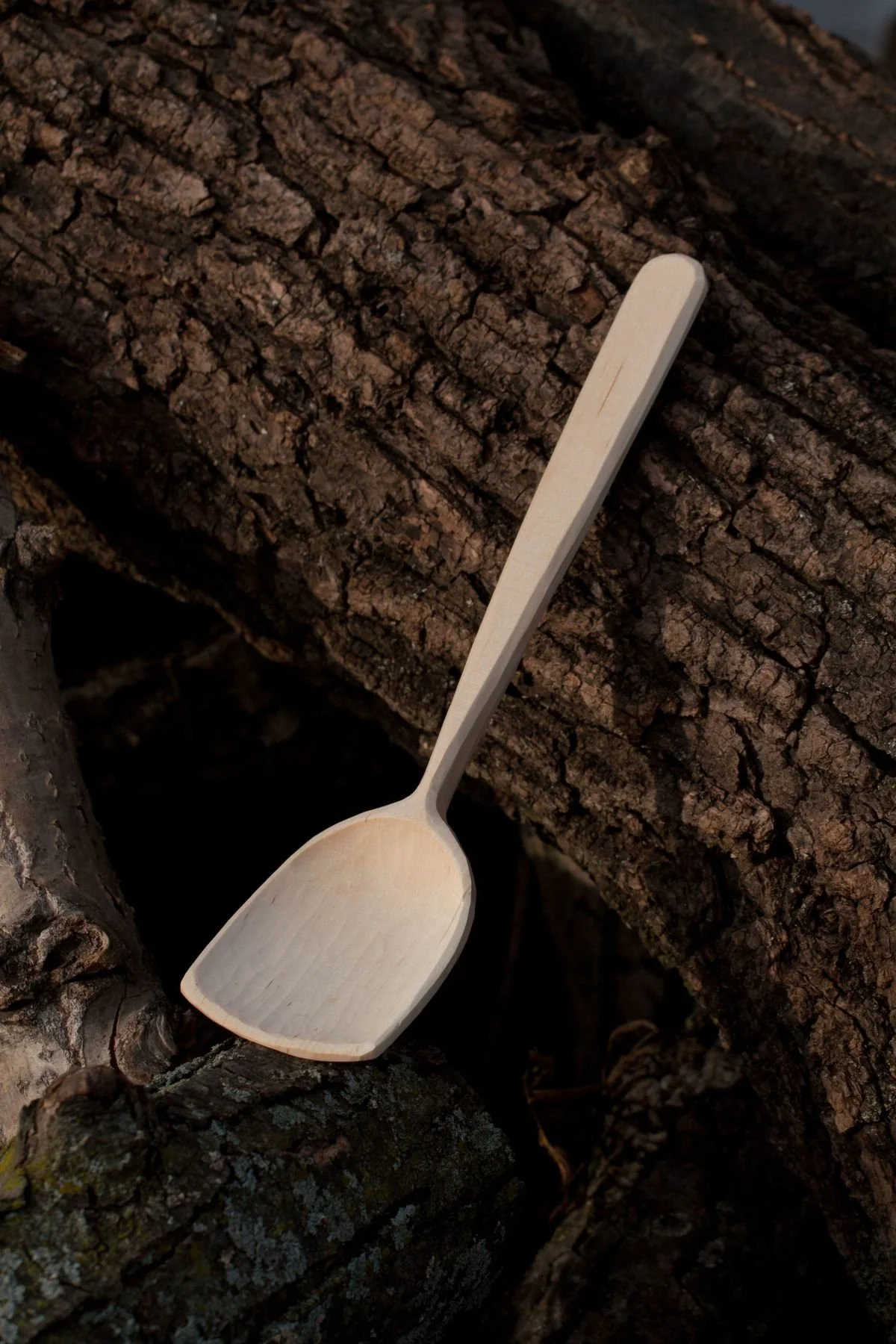
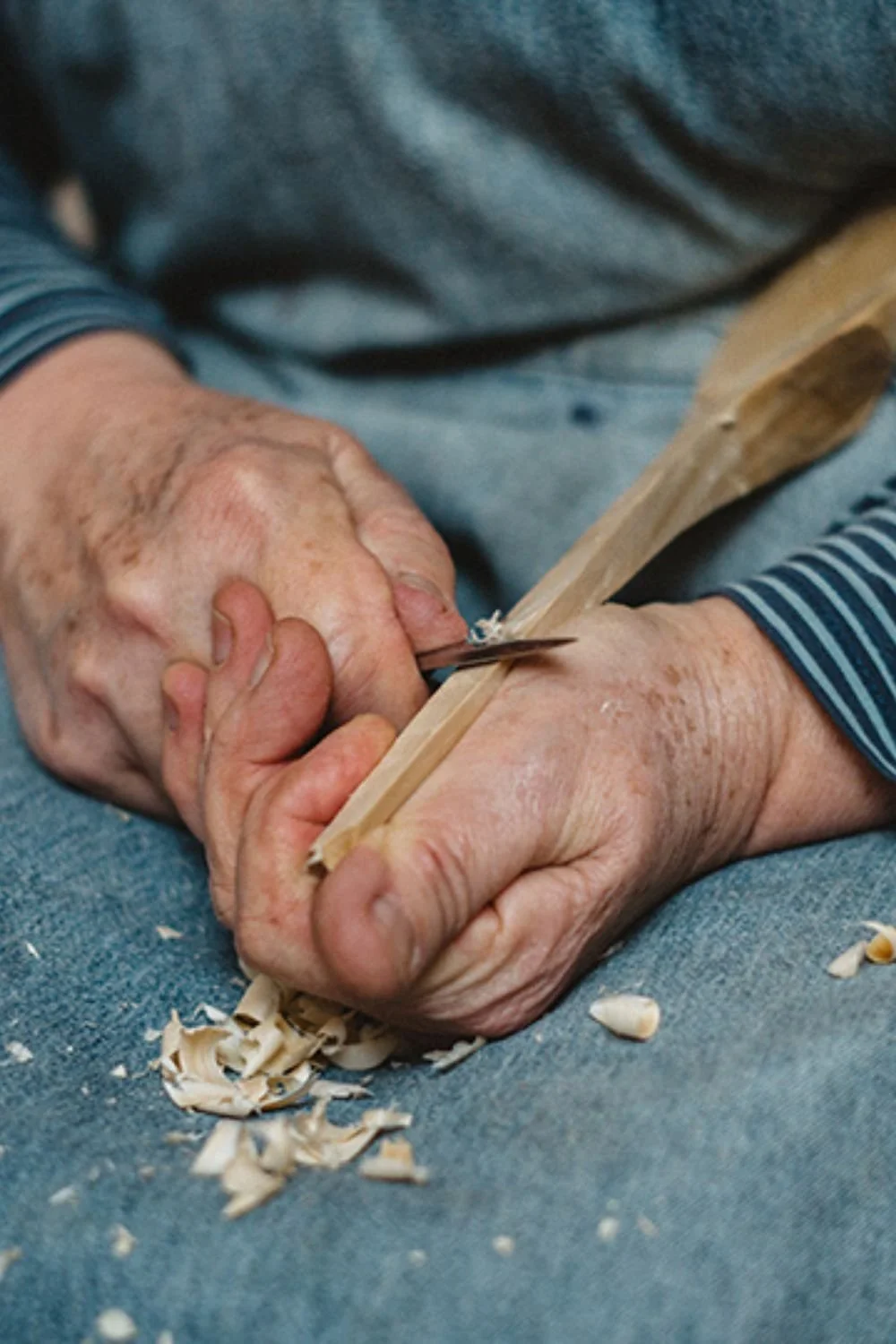
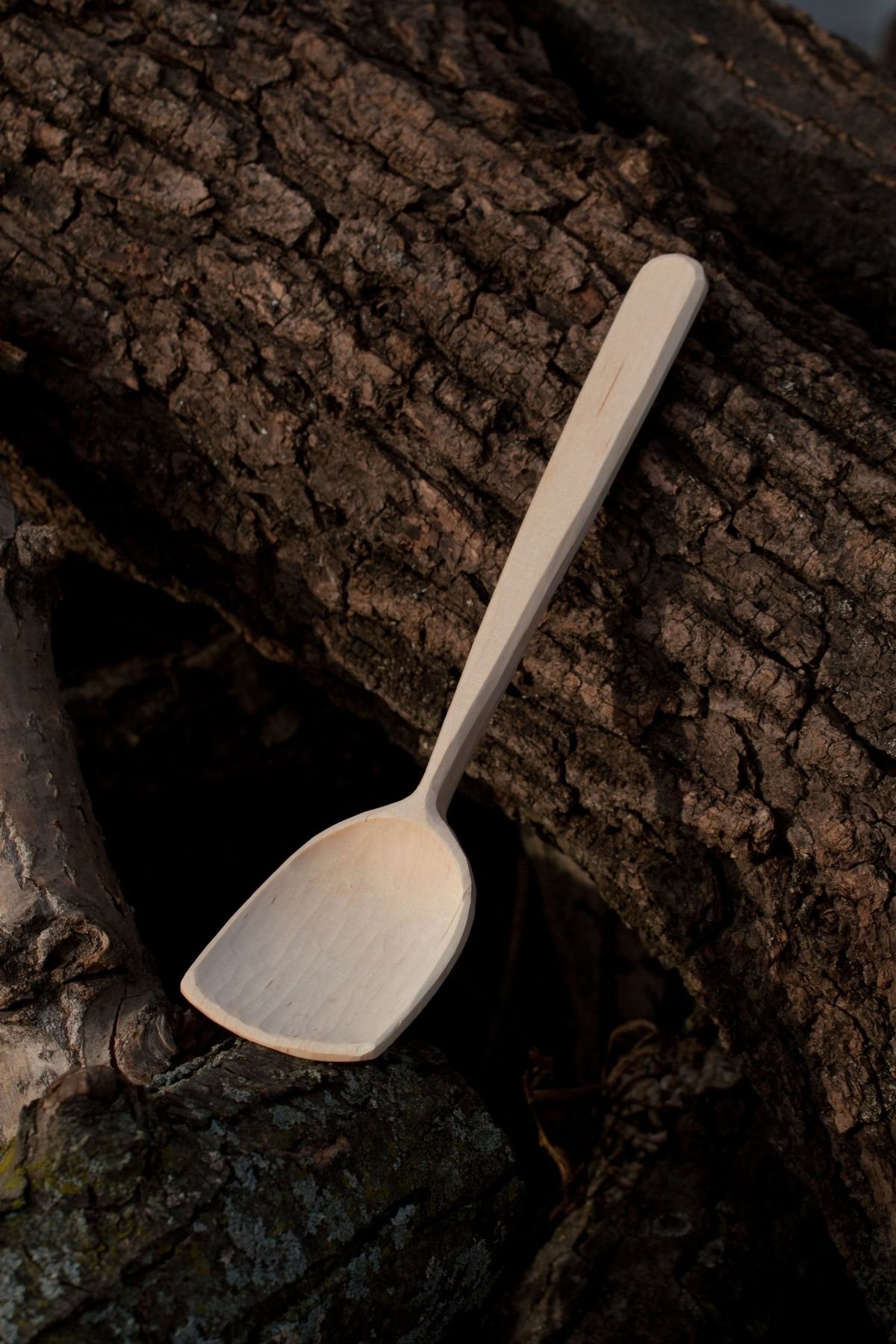
Working from locally sourced wood in Dorset, Mark Fireeye creates carved spoons, bowls and kuksa using a combination of hand tools, greenwood techniques and traditional turning methods. His practice is rooted in usefulness, simplicity and a respect for historic wood culture.
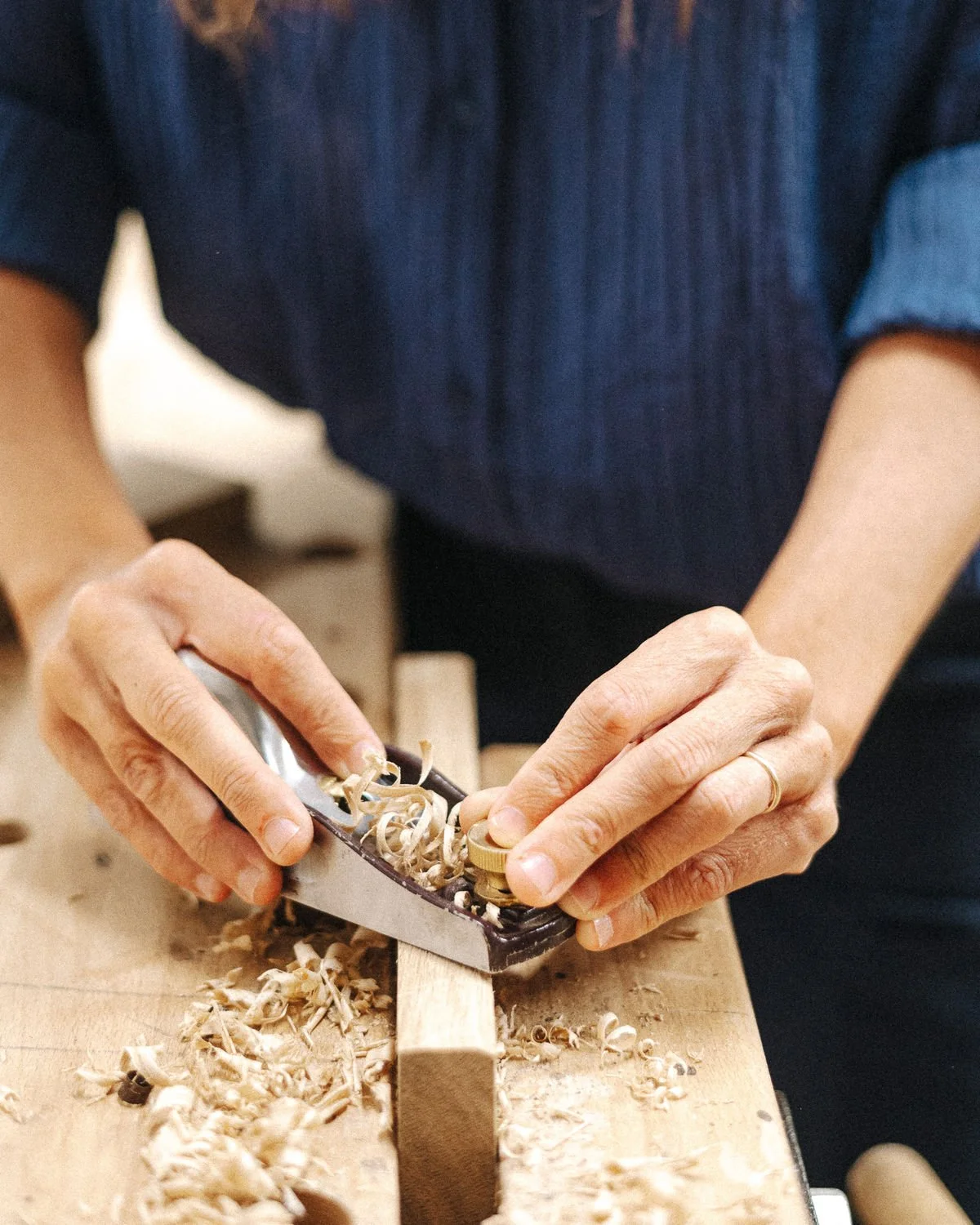
Mark’s journey into woodworking began through necessity. After renovating an old house, he began learning how to repair and make wooden objects by hand, eventually moving into carving and furniture making before discovering the world of greenwood work. “Greenwood work is where the wood still holds a lot of moisture, which makes working the wood much easier with hand tools.”
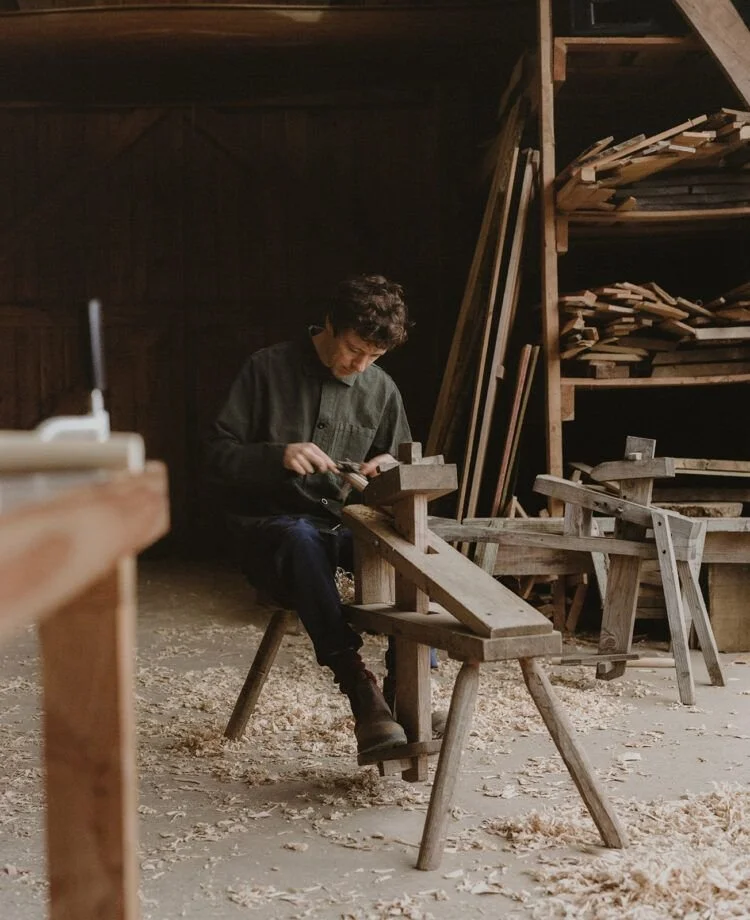
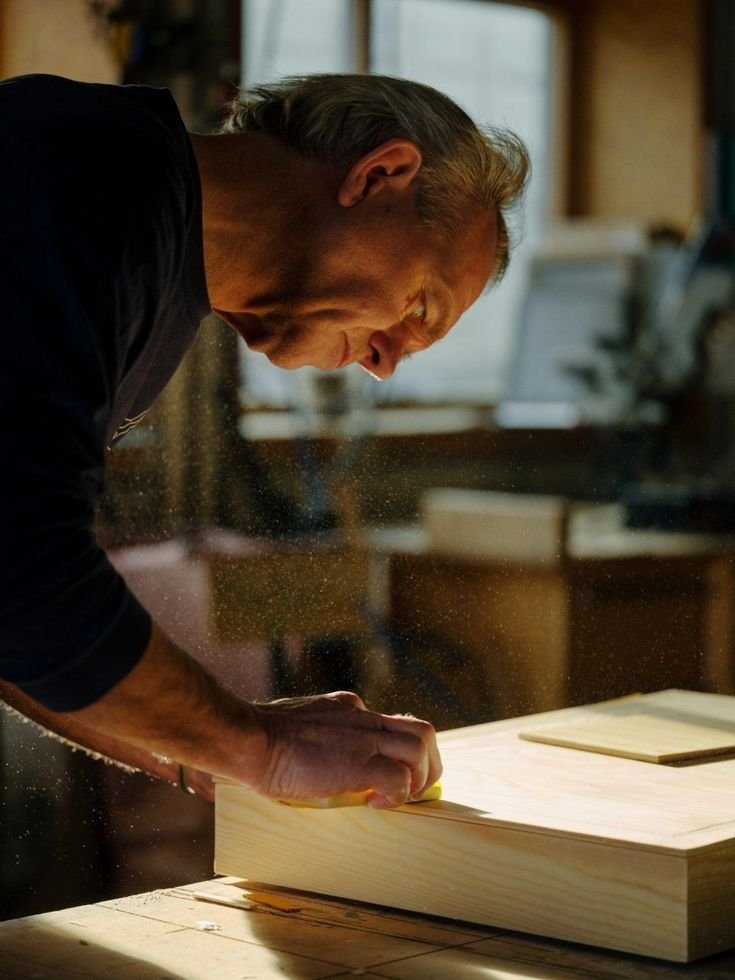
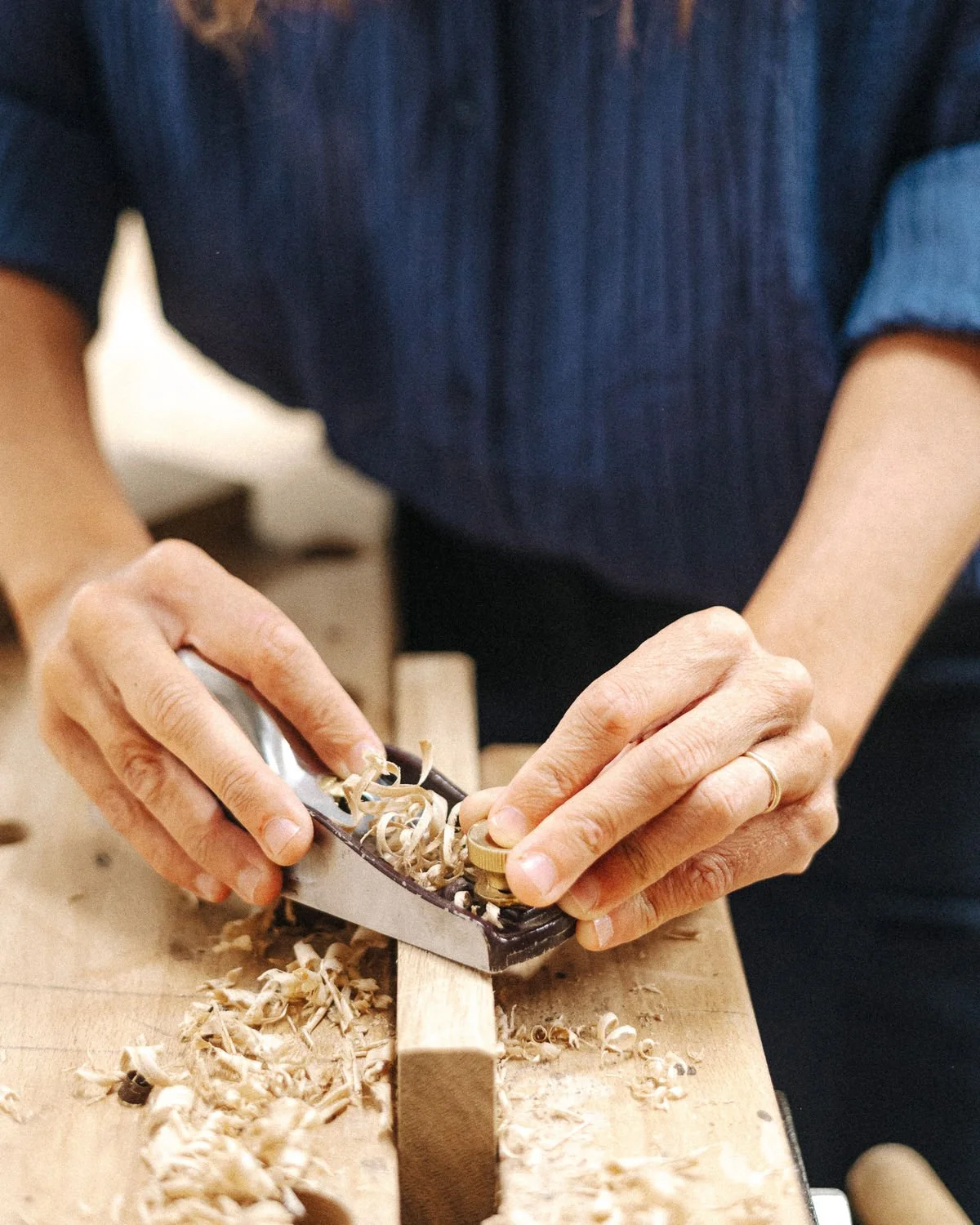
Over time, his focus has shifted increasingly towards pre-machine woodworking techniques and the slower process of making by hand. While he still uses powered tools where needed, much of his work is carved or turned using older methods, including a 1970s lathe and occasionally a foot-powered lathe. “I’ve found that I’m looking more and more at how we worked wood in the pre-machine age.”
Simple bowls remain at the centre of his practice, though spoons, scoops and kuksa have become particular favourites. For Mark, usefulness is essential, objects are made to be handled and lived with, not simply displayed. “I hope they will be used as well as displayed on a shelf. A wooden bowl or spoon, when used, will age gracefully and make you smile as you use it.”
His process often begins with historical examples of treen — traditional handmade wooden objects — many of which he photographs in museums and collections. From there, the material itself tends to guide the direction of the piece. “A lot of the time the wood kind of lets you know what it wants to be.”
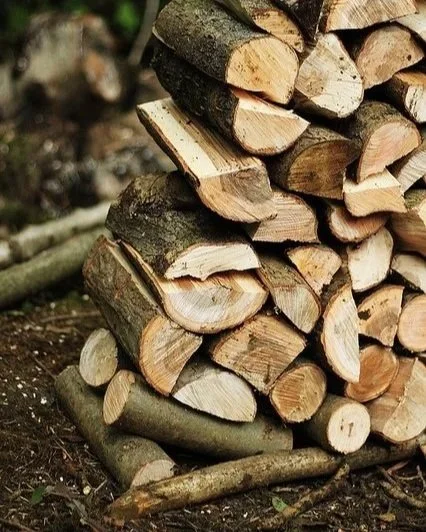
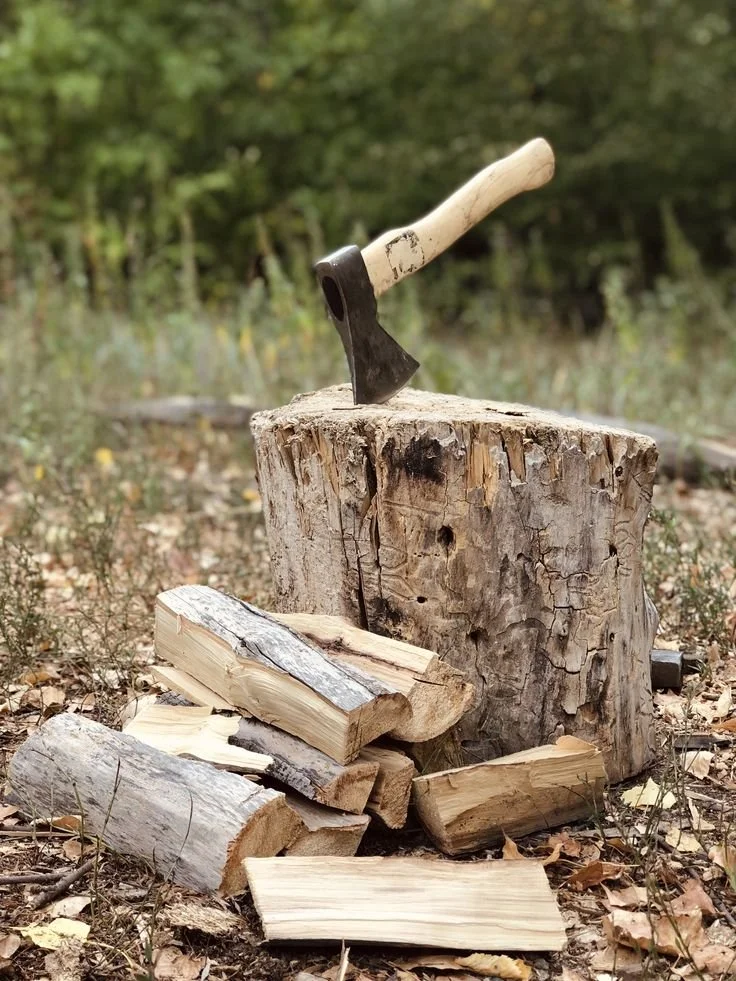
Working mostly with locally sourced green wood from arborists, gardeners and the Dorset Coppice Group, Mark is drawn to the unpredictability and warmth of timber. Different species behave differently, and much of the character only reveals itself once the log is opened. “The thing with wood is you never really know what it’s going to look like until you split that log open.”
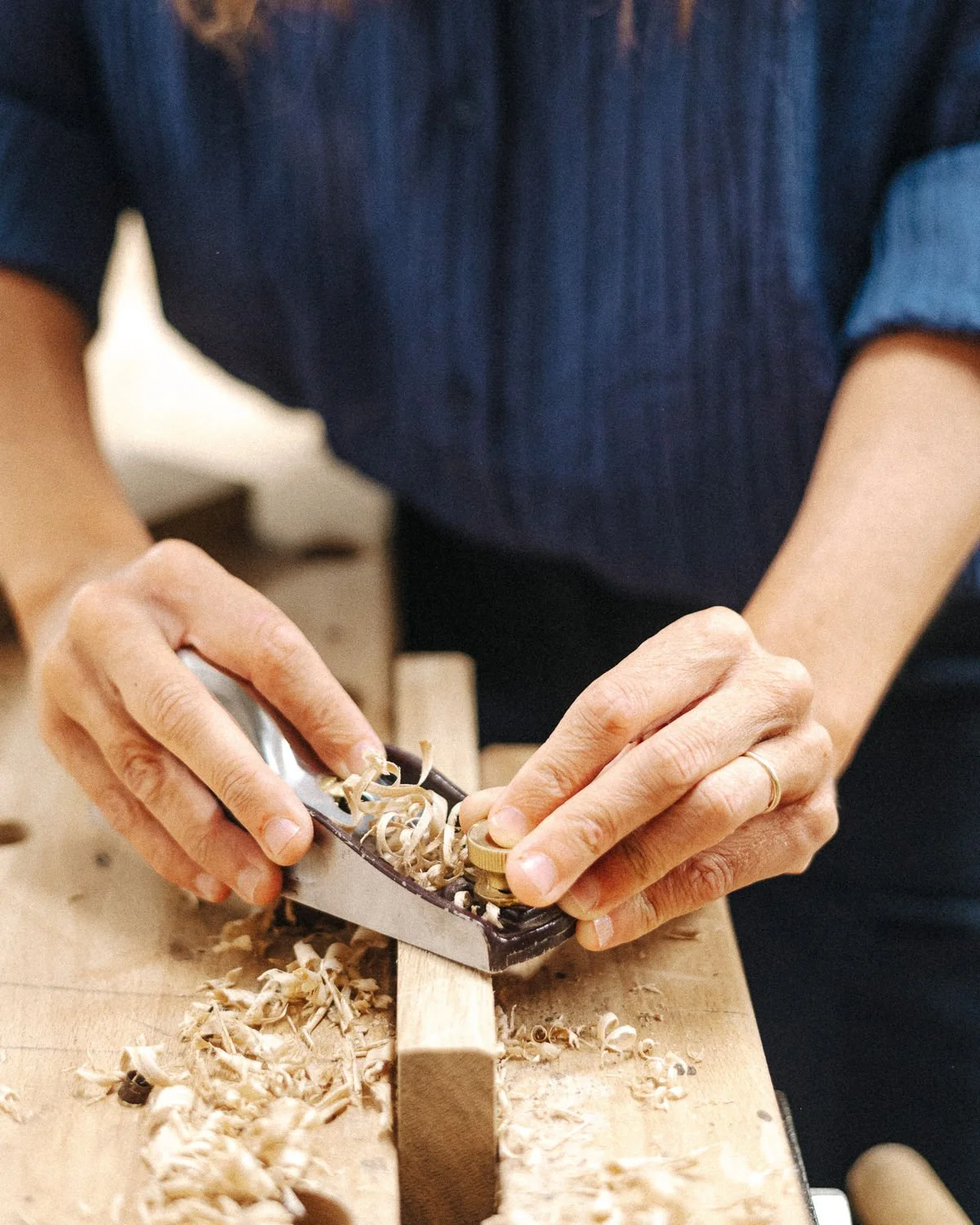
Mark draws inspiration from older and often forgotten wood cultures, particularly Nordic, Eastern European and Japanese treen traditions, as well as the Japanese ethos of wabi-sabi — an appreciation for imperfection, age and quiet beauty.
“That’s the difficult bit, knowing when a piece is complete. It’s just a feeling that says, ‘that’s as good as it’s going to be.’”
At the centre of his practice is the satisfaction of transforming something simple and overlooked into an object with lasting use and presence.